Save Our Royal Mail Home

Category

Take Action

22 articles

The Two-Speed Doormat: Advertising Mail, Essential Letters and the Sorting Divide

The Two-Speed Doormat: Advertising Mail, Essential Letters and the Sorting Divide

Residents across the UK report a familiar paradox: a doormat crowded with takeaway leaflets while an essential letter fails to arrive. This analysis explains why bulk advertising mail and first-class correspondence can follow different operational paths, and sets out practical questions communities can put to Royal Mail and Ofcom in 2026.


The Final Inch: Why the Letterbox Belongs in the 2026 Service Standards Debate

The Final Inch: Why the Letterbox Belongs in the 2026 Service Standards Debate

Royal Mail's service standards are usually argued over at the delivery office, the sorting hub or the route. This article looks at the last few centimetres: the letterbox. Drawing on published access specifications and common household barriers, it sets out why letterbox standards should be treated as postal infrastructure rather than a private household problem, and offers a simple audit checklist for residents and community groups.

The Complaint That Carries Weight: Building a Postal Record a Regulator Can Read

The Complaint That Carries Weight: Building a Postal Record a Regulator Can Read

Repeated missed deliveries are often dismissed as isolated incidents. A structured complaint trail, built street by street and escalated through the right channels, is harder to ignore. This guide sets out what to record, when to escalate and how communities can aggregate evidence without losing the individual case.

The Doorstep Log: How Residents Can Build a Reliable Record of the Post

The Doorstep Log: How Residents Can Build a Reliable Record of the Post

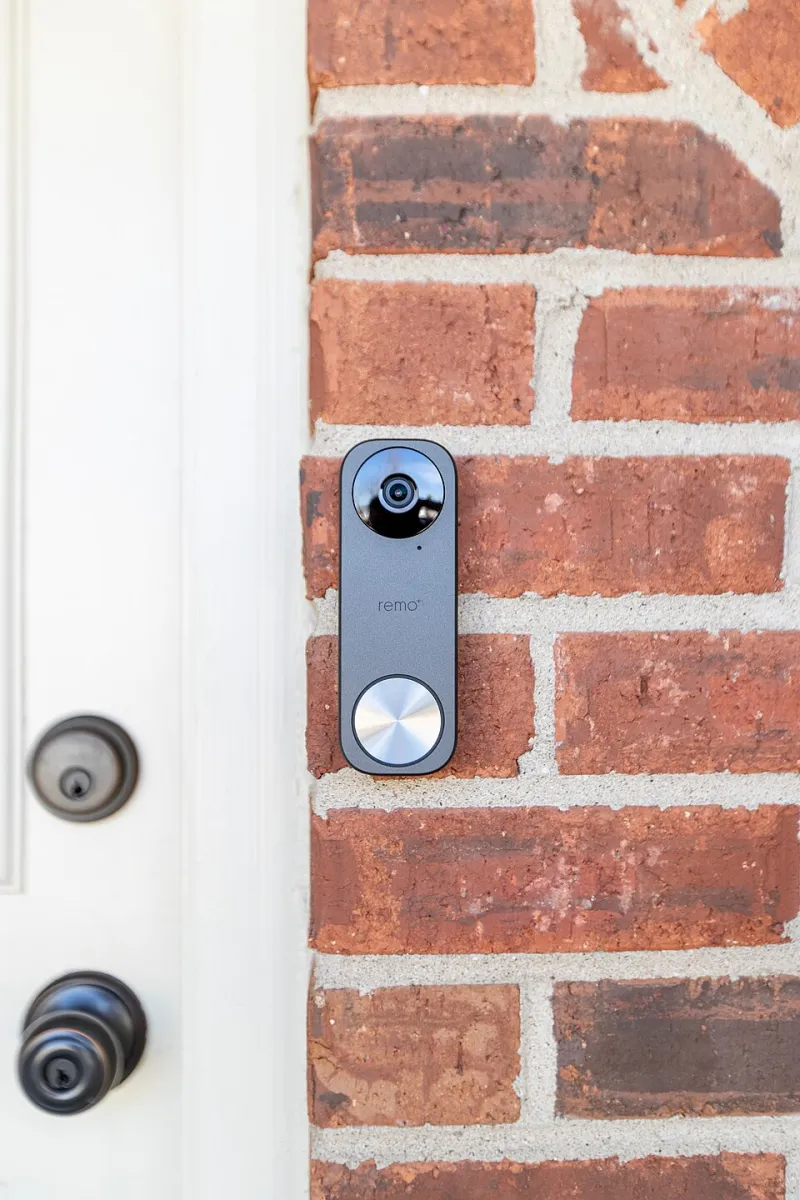
Video doorbells capture the exact moment a letter lands, or the day it never arrives. This guide sets out a proportionate, privacy-respecting method for turning household footage into a street-level record of postal reliability, and for putting that record to use with an MP, a council or the regulator.

The Mail That Cannot Wait: Designing a Safeguard for Essential Correspondence

The Mail That Cannot Wait: Designing a Safeguard for Essential Correspondence

A voluntary register for households where mail is not optional could help protect people awaiting hospital appointments, benefit decisions or care assessments. But any such scheme must avoid creating a two-tier service and must satisfy data-protection tests. This article examines how a priority-delivery register might work and how communities can raise the idea with MPs and regulators.

Democracy’s Last Mile: Stress-Testing the Postal Vote in 2026

Democracy’s Last Mile: Stress-Testing the Postal Vote in 2026

The 2026 local election year has exposed how much democracy depends on collection times, accessible postboxes and a reliable last mile. This practical audit sets out what councils, candidates and voters should check before the next poll — and what happens when a ballot misses the deadline.

Reception Is Not a Letterbox: Auditing Postal Access in Care Settings

Reception Is Not a Letterbox: Auditing Postal Access in Care Settings

For many care home residents, sheltered housing tenants and disabled people, postal access depends on staff, family and a reception desk rather than a letterbox at the door. As access points close and collection times shift, this article sets out a practical audit and the questions local campaigners and MPs should ask about an inclusive last mile.

No Such Address: The Postal Gap on Britain’s New Streets

No Such Address: The Postal Gap on Britain’s New Streets

When a new estate is completed before its addresses are fully registered, residents can find themselves outside the postal network as well as outside official records. This guide explains the chain from plot to postcode and sets out a 2026 checklist for households chasing an address that systems do not yet recognise.

From Doormat to Data: Auditing the Failed Delivery Slip

From Doormat to Data: Auditing the Failed Delivery Slip

The 'sorry we missed you' card is too often treated as an unlucky accident. It is better understood as a measurable service failure. This practical audit shows households how to log failed first-time deliveries, calculate the real cost of collection and rebooking, and turn a hallway of slips into a local evidence base for 2026.

Signed by the Town: The Case for Keeping Local Postmarks Alive

Signed by the Town: The Case for Keeping Local Postmarks Alive

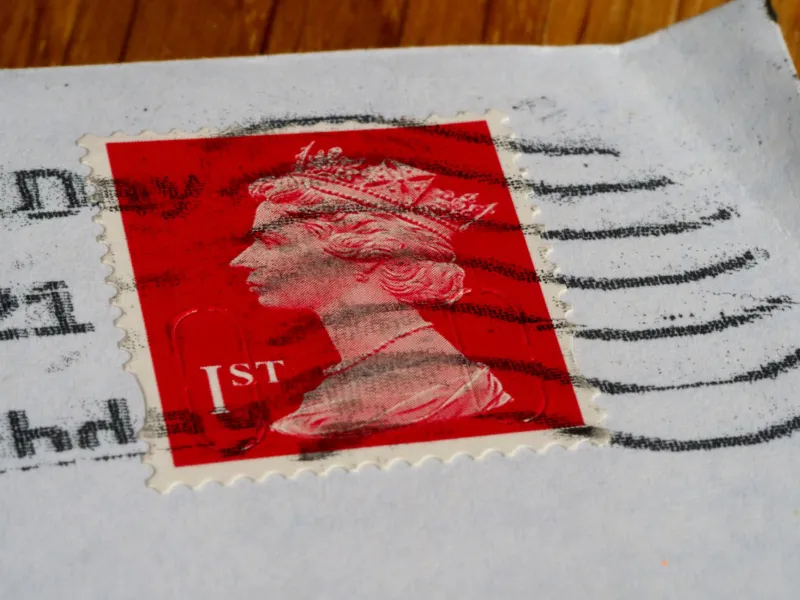
Local postmarks are small civic signatures on the outside of an envelope — and they are quietly becoming harder to find. This guide explains how handstamps are chosen and applied, what communities lose when every letter carries the same generic mark, and how residents can request or campaign for a local postmark in 2026.

Three Days Without a Round: A Community Protocol for Postal Suspensions

Three Days Without a Round: A Community Protocol for Postal Suspensions

When deliveries stop without warning, the first 72 hours matter. This practical protocol sets out how households and community groups can verify a suspension, record its effects, contact Royal Mail and the regulator, support vulnerable neighbours, and escalate the issue without losing momentum.

The Plate on the Postbox: A Practical Audit of Collection Times

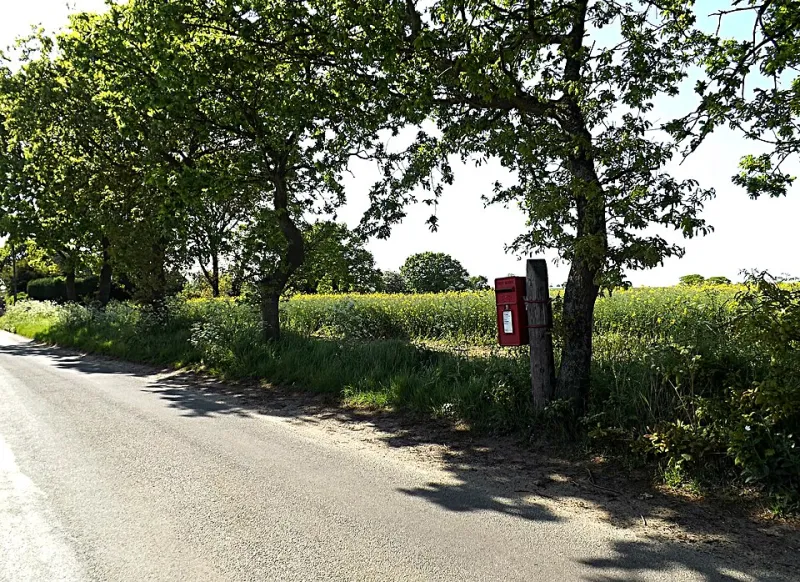
The Plate on the Postbox: A Practical Audit of Collection Times

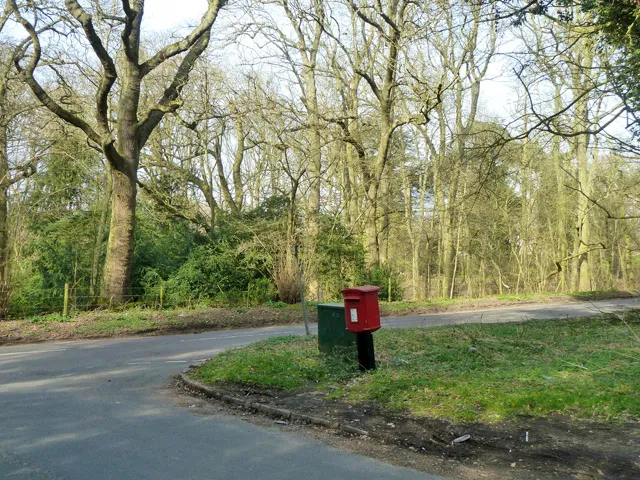
A small printed plate on a postbox can be the first visible sign of a service change. This guide explains how to read collection times, record discrepancies and compare results across a town or constituency, turning a routine notice into evidence for transparency in 2026.

Beyond the Ramp: Putting the Postal Plan to the Doorstep Test

Beyond the Ramp: Putting the Postal Plan to the Doorstep Test

Changes to access points, delivery frequency and counter services are often presented as efficiency measures. For blind, partially sighted and disabled customers, they are tests of whether a postal service is genuinely usable. This article sets out how to scrutinise official accessibility commitments against real journeys in 2026.

The Pledges Ledger: Auditing a Takeover One Year On

The Pledges Ledger: Auditing a Takeover One Year On

Public commitments made when Royal Mail changed hands deserve a public ledger. This is a practical scorecard for 2026: what was promised, what can actually be checked, and what remains unproven, so communities can ask their MP precise questions rather than trading rumours.

Plain English or No Deal: A Community Glossary for Postal Restructuring

Plain English or No Deal: A Community Glossary for Postal Restructuring

Postal change arrives in a vocabulary of modernisation, efficiency and access. This campaign-ready glossary decodes the phrases communities are most likely to hear in 2026, shows what they can conceal on the ground, and suggests plain-English questions that elected representatives and regulators should be asked to answer.